How physiotherapy transformed Sheila's stroke recovery
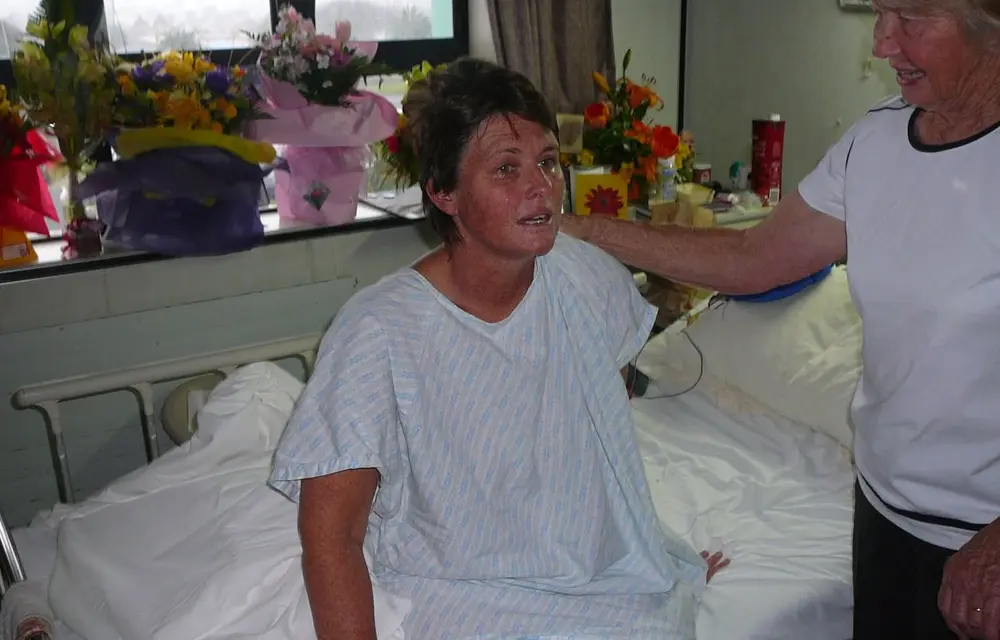
In 2008, Sheila experienced a medulla stroke when she was only 43 years old. She couldn't move without extreme nausea, and she had little hope for an independent future. But thanks to physiotherapy and Sheila's own determination, she was able to regain her mobility and independence.
Below Sheila describes how physiotherapy made an immeasurable difference to her life.
How did physiotherapy help you recover from your stroke?
Once the medulla stroke diagnosis was made, I received physio support straight away. The physiotherapist who visited me that day was the first medical professional who paused long enough to explain the type of stroke I had and the accompanying deficits I was experiencing, listened and answered my many questions, and provided a plan for physical recovery. Right from the first visit I was given exercises I could do while bedridden, which was empowering and gave me back a small sense of control over my body. Every goal set and achieved led to the next step in the recovery plan. The physio visits gave me hope for the future.
What was the hospital physio like?
The first task assigned was to write the alphabet with my feet! Then there was repositioning without vomiting – my vestibular functioning was wrecked and I had constant motion sickness causing me to vomit, sometimes just by moving my eyes from one spot on the ceiling to another!
Then we worked on sitting up, then standing, moving to sitting in a chair and the brain adjusting to the visual stimulus in the room from a different angle than lying on the bed, without nausea/vomiting. Then when I was standing, I was assisted to walk to the door and back to bed. Then a walking frame got me out the door and down the hallway. The final step was being able to walk around the ward unaided.
What was your biggest physical "breakthrough" during this time?
My biggest physical breakthrough was sitting up on day 9. It was a Saturday and there was no physio cover on the weekends, so this moment didn’t happen when the physiotherapist was present. But it was part of my recovery planning. I couldn’t wait to show the physio on the following Monday what I had achieved. The physio celebrated with me then set the next goal. Awesome! She worked with me at my pace, giving me what I needed.
What about once you were discharged?
This Vestibular physiotherapy as an outpatient after I left hospital was another empowering part of my recovery. I learned so much about the vestibular system and worked with the physiotherapist in hour-long sessions to complete balance tasks like walking on a treadmill, lying forwards and backwards on a swiss ball, and retraining my brain to cope with visual stimuli. I also spent time in the therapy pool which helped my confidence and coordination.
What difference do you think physio made to your recovery?
The physiotherapy support I received was central to my recovery. Physically I was given a pathway to progress from being bedridden and unable to move without nausea/vomiting, to regaining control over my body and becoming independent again. The physiotherapist gave me the equipment I needed to safely progress from standing to walking, and guidance on how to manage transition through particular movements to improve balance and mobility.
But physio not only helped with physical recovery. It also helped with the significant emotional struggle I was living at the time, as my world had stopped and for a while I did not know what the future would be. Having one-one physio support was emotionally empowering and gave me hope for an independent future. The time given to me, to listen and answer questions, or celebrate my achievements, was wonderful therapy.
How are you feeling physically now, 18 years after your stroke?
I’m great. And I’ll be forever grateful for the physio support I received to literally get me back on my feet. There are a few things that will always be broken, but no one knows because they aren’t visible to others. I just live life within my own limitations and make the best of it.
Is there anything else you want to share?
I have only high praise for the physiotherapy team at that hospital. When I was well enough, I delivered a thank you card and chocolates to them, to show my appreciation for their effort to get me through the two weeks I spent in their care. I was so grateful for their support, and for the pathway and hope they gave me, to build a new, post-stroke, normal for myself.