The connection between physiotherapy and stroke
September 8th is World Physiotherapy Day! This year’s focus is on the connection between physiotherapy and stroke, both in prevention and recovery.
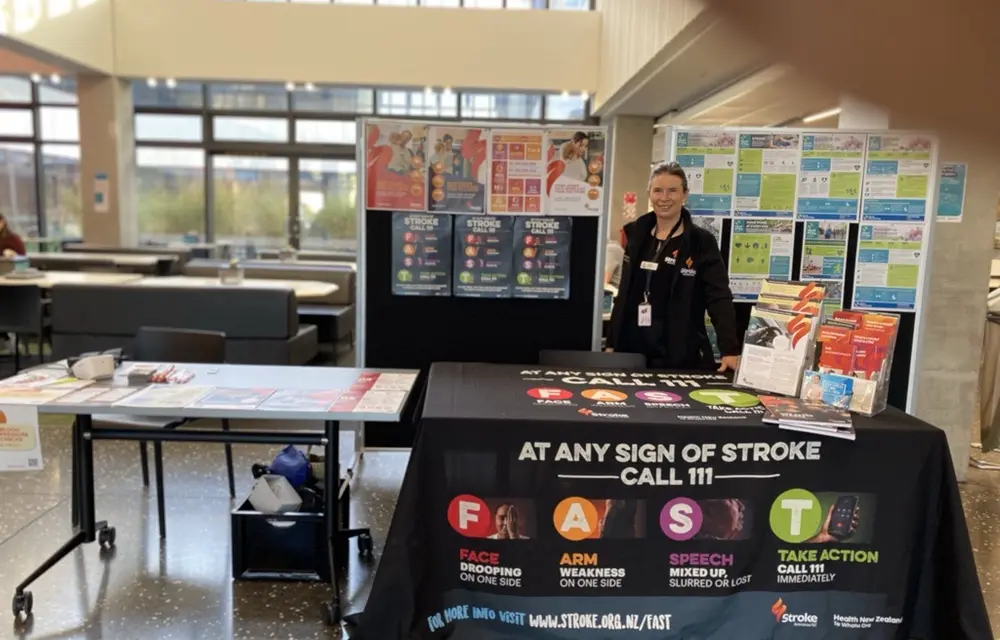
To honour World Physiotherapy Day, Stroke Aotearoa New Zealand and Physiotherapy New Zealand are teaming up to highlight this important connection.
1 in 4 people over the age of 25 will experience a stroke in their lifetime, but the good news is that up to 90% of strokes are preventable. Physiotherapists play an important role in stroke prevention by supporting people to be more physically active and recommending safe exercises tailored to their clients. Regular physical activity can lower blood pressure, improve cholesterol, and support people to maintain a healthy weight. In fact, research shows that just 30 minutes of exercise five days a week can reduce your risk of stroke by 25%! By helping people to increase their regular physical activity, physiotherapists can help people reduce their risk of stroke.
For those who have experienced a stroke, physiotherapy remains critical, both in preventing another stroke and in supporting recovery. Stroke survivors often struggle with balance, strength, and fatigue, and may find exercises they used to do easily are no longer possible. Physiotherapists tailor exercises to a person's goals and abilities, helping them regain mobility and independence, and ultimately, return to everyday activities. And for people like Garry, physiotherapists also give them something even more important – hope.
Garry Moore, who was the mayor of Christchurch from 1998 to 2007, experienced a stroke in 2024 that left him unable to use his left side. He spent a month at Burwood Hospital, where he received intensive treatment and rehabilitation. After being discharged, he continued with physiotherapy exercises that were designed to help his brain relearn movement.
“They gave me lots of exercises and I learned that I have to actually reprogramme my brain – which is basically getting it wrong and then relentlessly copying and following specific movements to get it right."
When he first left hospital, Garry's movement in his affected arm was rated 0 out of 5. Two years on from his stroke, Garry reckons he's progressed to a 3 out of 5.
“The physiotherapists and fellow stroke victims in the gym have been the people that have given me the hope to actually keep trying."